

No More Agonizing Over Coffee Orders: Understanding Common Coffee Types and Flavors
A beginner's guide to coffee: easily choose the cup that's right for you
目录21 个章节
Preface
I don't drink much coffee. Every time I order, I'm faced with a dazzling menu and always have a hard time choosing.
So I learned a bit of basic coffee knowledge and jotted down some notes~
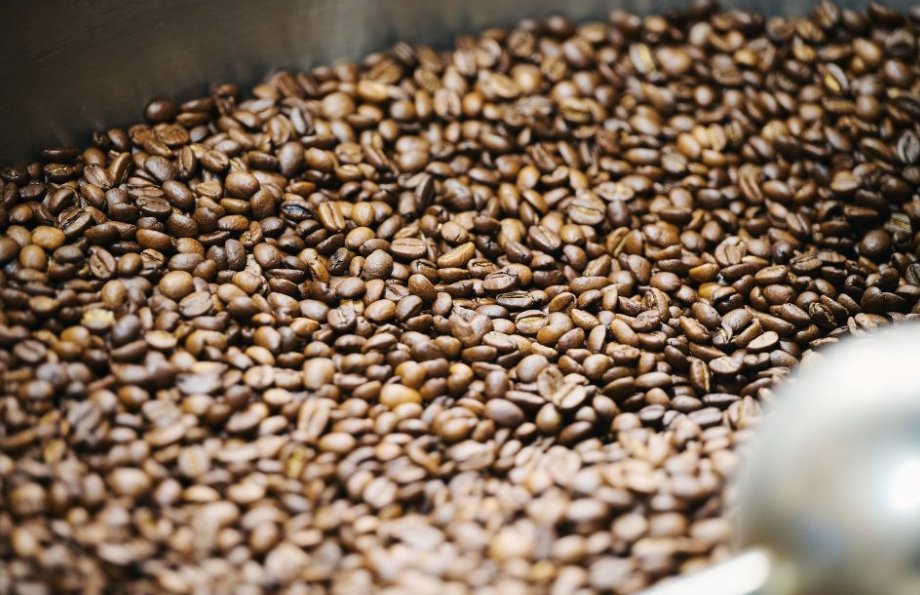
Coffee and Milk
First of all, why are there so many types of coffee?
I originally thought it was like tea—black tea, green tea, oolong, and so on—where each kind of tea tastes very different.
But after looking things up, I found that coffee is actually simpler than tea. Most of the differences among coffees are just various mix-and-match combinations of espresso with milk (foam) and sugar. It's a different food culture from tea.
Milk and foam are originally the same thing. Foam is the state formed after milk is steamed. When air is whipped into the milk, many tiny pores form and the volume expands, creating foam.
When you add milk to espresso, you can create a mild, smooth flavor. If you also add foam, you get a dense, light, delicate mouthfeel that adds quite a few layers to the coffee.
Espresso
"Espresso" in Italian has the meaning of "fast." Espresso can be interpreted as: "extracting a small, concentrated cup of coffee in a short time."
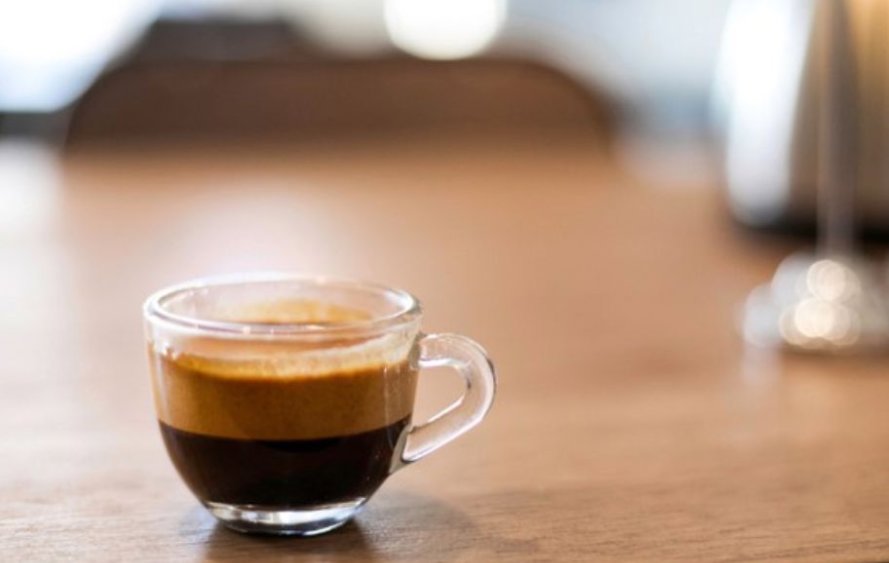
Characteristics: Concentrated coffee, small volume (usually around 30 ml), rich taste, with a thin layer of coffee oil (crema).
Preparation: High-pressure hot water is quickly passed through finely ground coffee. Extraction strength can be single, double, or triple shot, with ground coffee ratios of about 7 g, 14 g, and 21 g, adjustable to personal preference.
PS: I've never had it. Coffee this concentrated must be really bitter, right?
Americano
Americano is milder than espresso and is a great introductory coffee drink for people just starting to drink coffee.

Characteristics: Lighter taste, close to traditional drip coffee, but with the aroma of espresso.
Preparation: Add hot water to espresso, usually 1 part espresso plus 2–3 parts hot water. The espresso-to-hot-water ratio is about 1:10–1:12, adjustable to personal preference.
PS: But I think Americano is pretty bitter. I'll try it next time.
Caffè Latte
Latte originated in Italy. "Latte" means milk in Italian, and Caffè Latte is a coffee made by adding milk and foam to espresso. Because milk is added, it tastes milder and smoother, and is a coffee flavor with relatively high public acceptance.
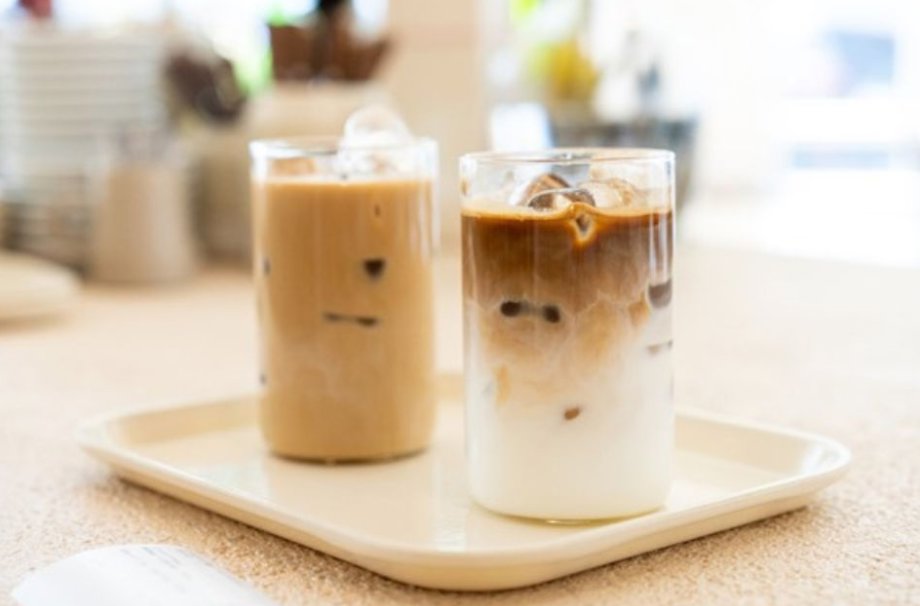
Characteristics: Stronger milk flavor, lighter coffee flavor, often with latte art on the surface.
Preparation: 1 shot of espresso, plus a large amount of steamed milk, then a thin layer of foam.
PS: I like coconut latte~
Cappuccino
Cappuccino also originated in Italy. It is made by adding milk and foam to espresso. The recipe is similar to a latte; the difference is that a standard cappuccino is made of "1/3 espresso + 1/3 steamed milk + 1/3 foam," so it has a stronger coffee flavor than a latte.
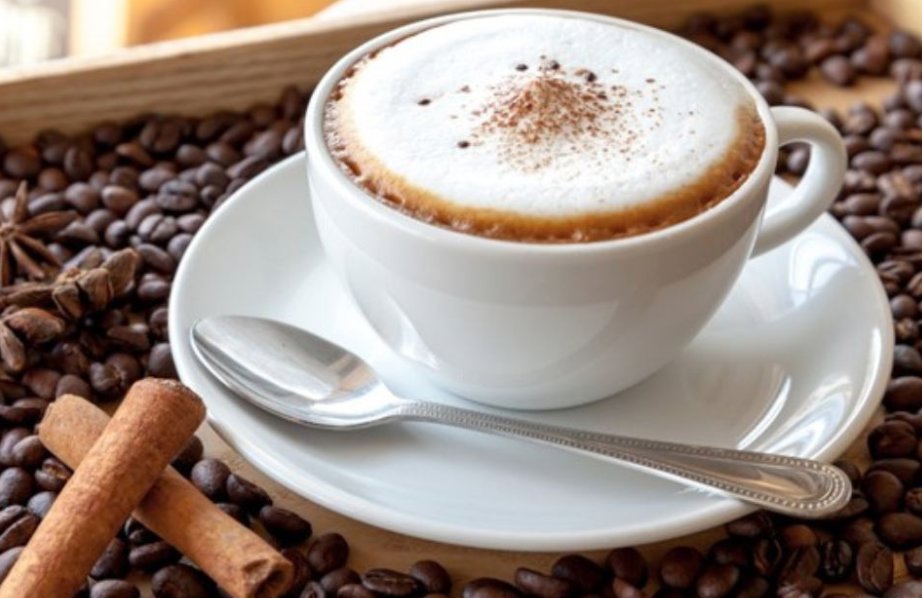
Characteristics: Balanced coffee and milk flavors, a thicker foam layer on the surface, sometimes dusted with chocolate powder or cinnamon.
Preparation: 1 shot of espresso, plus equal amounts of steamed milk and foam.
Macchiato
Macchiato is made from two shots of espresso with a little milk or foam. Compared with latte and cappuccino, it has a more pronounced coffee flavor, but is not as rich and intense as espresso. It's great for people who want to start trying stronger coffee.

Characteristics: Less foam, stronger coffee flavor.
Preparation: 1 shot of espresso, plus a small spoonful of foam.
Mocha
Mocha is coffee made by adding milk and chocolate to espresso. It features a bittersweet cocoa flavor. This type of coffee originated in the Middle East and North Africa; originally the locally grown coffee beans had a cocoa taste, and over time it evolved into adding milk and chocolate to coffee.
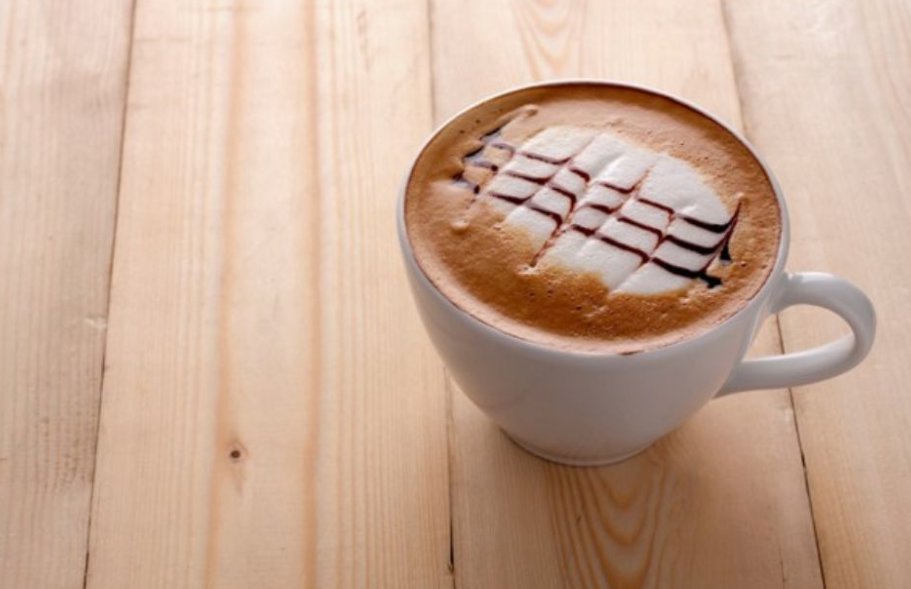
Characteristics: Chocolate flavor, relatively high sweetness.
Preparation: 1 shot of espresso, plus chocolate syrup and steamed milk, then foam and chocolate shavings.
Ice Drip Coffee
Ice drip coffee uses ice and cold water below 5°C. As the ice gradually melts, coffee is extracted drop by drop. The extracted coffee has a cool taste without being diluted in concentration, so you can taste the delicate flavors in the coffee. Because ice drip extraction takes a long time, it is also more expensive than other coffee drinks.
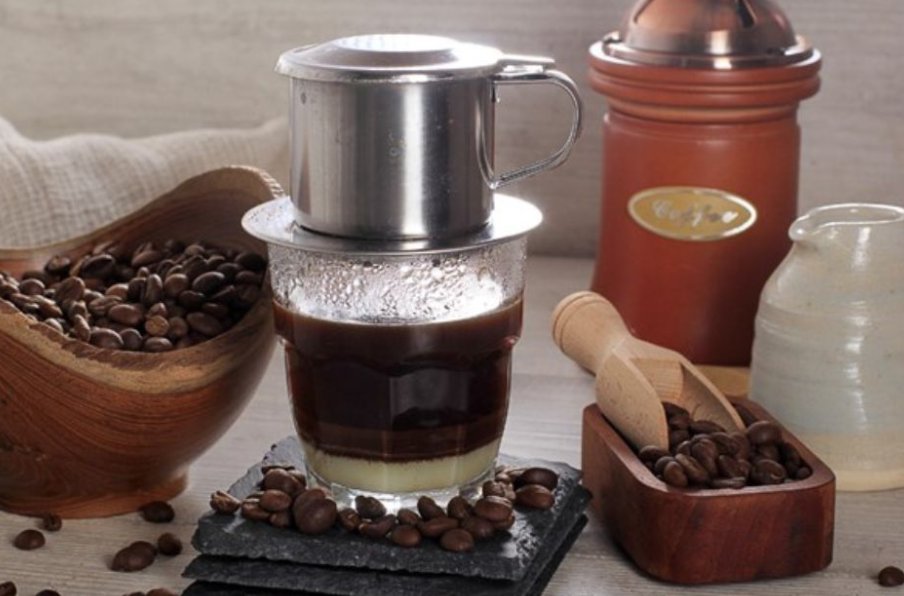
Characteristics
- Flavor: Ice drip coffee usually has low acidity and a mild mouthfeel. The taste is very clean and can present the original flavor of the beans.
- Temperature: A cold drink, suitable for summer or when you want something refreshing.
- Time: Relatively long to make, usually 6–12 hours.
Preparation
The ice drip process is relatively slow, which is exactly why its flavor is unique:
- Prep: Place coffee grounds in a filter, usually using medium-coarse grind.
- Add ice water: Place a container of ice water above the coffee grounds; the ice water will drip through the grounds drop by drop.
- Drip: Ice water slowly drips through the grounds, and the coffee liquid drips into the container below.
- Storage: When finished, store the ice drip coffee in the fridge; it can be refrigerated for several days.
Affogato
Affogato is a dessert-like coffee: a small cup of espresso poured over Italian ice cream, giving a varied mouthfeel so you can taste the contrast of hot and cold and a balance of bitter and sweet.
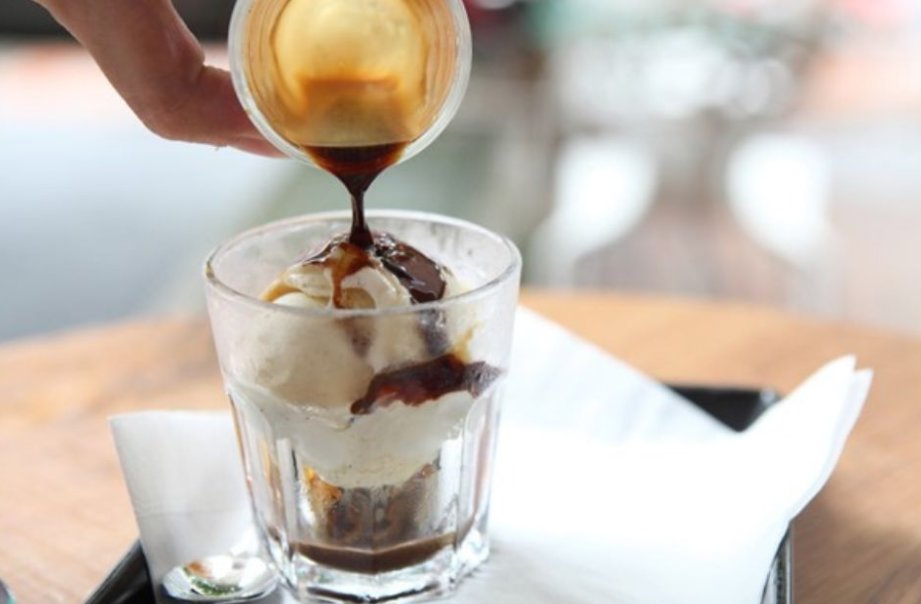
Characteristics
- Flavor: Affogato is a dessert combining rich coffee flavor and sweet ice cream, with a rich mouthfeel.
- Temperature: Hot and cold combined—hot coffee with cold ice cream.
- Appearance: Looks beautiful, suitable as an after-dinner dessert or afternoon tea treat.
Preparation
Making affogato is very simple, but the effect is amazing:
- Prep: Prepare a shot of espresso (Espresso).
- Ice cream: Take a scoop of vanilla ice cream (or another flavor you like) and put it in a small bowl or cup.
- Pour coffee: Pour the hot espresso directly over the ice cream.
- Enjoy: The coffee will partially melt the ice cream; the mixed texture is very unique.
Other Coffee Types
Cold Brew Coffee: Unlike ice drip, cold brew soaks coarse-ground coffee in cold water for a long time (12–24 hours), then filters out the coffee liquid.
Vienna Coffee: Espresso topped with a thick layer of whipped cream.
Café Bonbon: A combination of espresso and condensed milk, usually served in layers.
Advanced Knowledge
This is the more advanced stuff. I'm just jotting down notes. After all, I haven't even figured out the tea I drink every day, so I won't go too deep on coffee as a beginner~
What Factors Affect Coffee Flavor?
- Coffee bean variety: Different varieties have different flavor characteristics, such as Arabica and Robusta. Arabica beans usually have a milder, sweeter taste; Robusta beans tend to be more bitter and full-bodied.
- Growing environment: The geography where coffee beans grow, including altitude, climate, and soil composition, all affect flavor. High-altitude beans usually have brighter acidity and more complex flavors, while low-altitude coffee may have a fuller body.
- Roast level: Roast level also has a major impact on flavor. Light roast usually retains more of the original bean flavor and is more acidic; dark roast may be more bitter and intense, with caramelized sweetness.
- Processing method: Different processing methods also affect coffee flavor.
- Roasting method: Besides roast level, the roasting method is also an important factor affecting flavor.
Coffee Bean Types
Arabica
- Characteristics: Rich flavor, higher acidity, about 70% of global coffee bean production.
Robusta
- Characteristics: Stronger bitterness, higher caffeine content, often used in instant coffee.
PS: The coffee we buy at coffee shops is probably all instant coffee, right? So that means what we drink is basically Robusta?
Common Roast Levels
Light Roast
- Characteristics: High acidity, more flavor retained.
- Color: Light brown.
Medium Roast
- Characteristics: Balanced acidity and bitterness, more even mouthfeel.
- Color: Medium brown.
Dark Roast
- Characteristics: Stronger bitterness, more intense flavor.
- Color: Dark brown or nearly black.
Coffee Classification Table
Finally, here's a table so you can more intuitively see the differences among the various coffees.
| Coffee Type | Milk-to-Coffee Ratio | Milk Type/Form | Sugar | Temperature | Characteristics |
|---|---|---|---|---|---|
| Espresso | No milk | None | None | Hot | Concentrated coffee, small volume, rich taste, with a layer of crema |
| Americano | No milk | None | None | Hot | Espresso plus water, lighter taste |
| Latte | 1:3 | Steamed milk | None/a little sugar | Hot | Strong milk flavor, latte art on the surface |
| Cappuccino | 1:1:1 | Steamed milk and foam | None/a little sugar | Hot | Balanced coffee and milk, thick foam on the surface |
| Macchiato | A little milk | A little foam | None/a little sugar | Hot | Rich coffee flavor, little foam |
| Mocha | 1:2 | Steamed milk | Has sugar | Hot | Chocolate flavor, relatively high sweetness |
| Flat White | 1:2 | Microfoam milk | None | Hot | Similar to latte, but thinner foam |
| Iced Coffee | Depends on type | Milk or none | Sugar optional | Cold | Cold drink, ice plus coffee |
| Cold Brew | No milk | None | Sugar optional | Cold | Coffee steeped in cold water for a long time, low acid, smooth |
| Ice Drip | No milk | None | Sugar optional | Cold | Slow drip with ice water, clean flavor |
| Affogato | No milk | Ice cream | Has sugar | Hot and cold combined | Espresso poured over ice cream, a dessert |
| Vienna Coffee | No milk | Whipped cream | Sugar optional | Hot | Espresso with thick whipped cream |
| Café Bonbon | 1:1 | Condensed milk | Has sugar | Hot | Espresso and condensed milk in layers |
References
_EOF_
No More Agonizing Over Coffee Orders: Understanding Common Coffee Types and Flavors
- 本文作者:
- 程序设计实验室
- 版权声明:
- 本博客所有文章除特别声明外,均采用 BY-NC-SA 许可协议。转载请注明出处!
相关文章
聊聊一个差点被放弃的项目以及近期的开源计划
差点放弃的单点认证项目,硬撑着做完了。计划重构开源,叫StarSSO。其他项目如EchoSubs、SnapMix?随缘。
2024-05-23 · 2024 · 约 1 分钟
聊聊键盘旋钮对体验的影响
我比较喜欢旋钮和小屏幕,所以购买的时候尽量都选择了带有旋钮和小屏幕的,至少也得有旋钮
2024-04-28 · 2024 · 约 1 分钟
一个有趣的插件,让写代码变成打怪升级的游戏
CodeStats 是一款将编程过程游戏化的插件和配套网站。每当你编写代码时,它都会为你累计经验值,帮助你在不同的编程语言中提升等级。你可以直观地看到自己在哪些语言上表现突出,哪些领域还有提升空间。
2024-12-04 · 2024 · 约 1 分钟
项目小结:使用Docker迁移服务到离线服务器
最近遇到的这个场景,需要把之前开发的一套系统迁移到一个离线的服务器上,这个服务器有点麻烦,接入VPN后通过堡垒机才能访问,速度也很慢,遇到不少坑,本文记录一下迁移过程。
2023-07-12 · 项目开发小结系列 · 约 1 分钟
讨论
共 0 条加载评论中…